
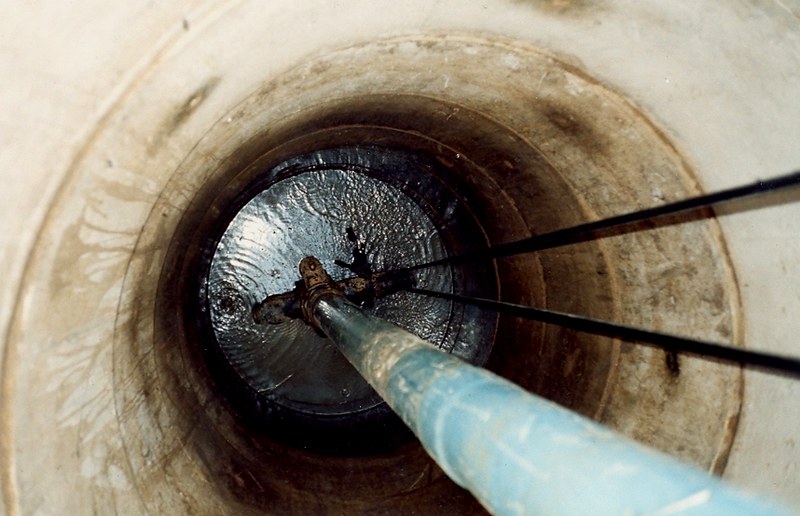
When it comes to wells, the depth can significantly influence both their function and the quality of water they provide. A shallow well typically reaches depths of 30 feet or less, drawing from groundwater located in aquifers close to the surface. These wells are often easier and less expensive to install, making them a popular choice in rural areas where water tables are relatively high. However, shallow wells can be more susceptible to contamination from surface runoff, agricultural activities, and nearby septic systems. This makes them a bit less reliable during dry spells or periods of heavy rainfall, when water quality might fluctuate.
On the other hand, deep wells are drilled much deeper, often extending hundreds of feet underground. They tap into more stable aquifers that are less influenced by surface conditions, providing a more consistent and cleaner water source. While the initial investment for a deep well can be higher due to the complexity of drilling and the equipment required, many homeowners find this investment worthwhile for the reassurance of reliable water over time. The deeper the well, the more protected it is from surface contaminants, making it a safer choice for long-term use.
In summary, while shallow wells offer cost-effective solutions for accessing groundwater, deep wells provide enhanced water quality and reliability. The choice between them depends on various factors, including budget, water needs, and geological conditions. Using a professional drilling company such as Corely Drilling can help you understand these differences and help you make an informed decision that best serves your household’s or farm’s water requirements.